The Special Needs Action Group (S.N.A.G) of Bay County is exploring the possibility of creating an Independant Living Community in Bay County for adults with disabilities
If you would like to support their efforts contact them at
specialneedsactiongroup@gmail.com
On May 19 their monthly meeting will feature an overview of Brookwood, a residential and working community for adults with disabilities in Texas
Location: Kirkland Insurance Agency
1604 W Hwy 390, Lynn Haven
Doors open at 5:45
Attention High School Seniors with IEPs!!!
You must request to have your diploma defered if you intend to come to Chautauqua, or any other transitional program, after you finish high school!
Defering your diploma simply means tht you will ask your high school to hold it until you have finished you public education at age 22. You can still walk the stage with your class, and have a graduation party! Just don’t let that piece of paper leave your school! When you walk out the school door with your diploma, you are signaling to the Department of Education that you no longer wish to participate in the full free public education to which you are entitled.
Benefits of Deferment
Free transitional public education until age 22
Social Security Benefits Continue
Existing housing and SNAP benefits continue
Educational services continue
Language,
Speech,
OT/PT
Mental Health Services
Peer and Community Support
Questions???
Please call Chautauqua.
(850) 785-5056
Benefits of Attending Chautauqua
Free independence and employment focus education
Transportation, breakfast and lunch provided
Development of advocacy skills
Attend GCSC classes at no cost to you
Attend Haney programs at no cost to you
Attend Culinary program at Arc of the Bay at no cost to you
Participate in online classes from various universities at no cost
Assistance with accessing and utilizing state and community resources
Transportation
Social Security
Florida Medicaid Waiver Services
Housing Assistance
SNAP applications
Drivers Ed for qualified students
The
Chautauqua
Project
Chautauqua students and supporters have traveled to all seven continents, participating in service projects, speaking at conferences, and demonstrating that individuals with disabilities are willing and able to overcome challenges and take their place in the world!
Chautauqua Services, Inc is proud to share this preview of “The Chautauqua Project”, a film which documents our global travels as educators and disability advocates. Created by One Day Apart (Keith Cohen and Nico Wilcox Cano), the full documentary will be released later this year.
Watch this space for further progress!
https://www.youtube.com/results?search_query=the+chautauqua+project
Arc of the U.S. CEO speaks out in support of Home and Community Based Services use of family members as service providers.
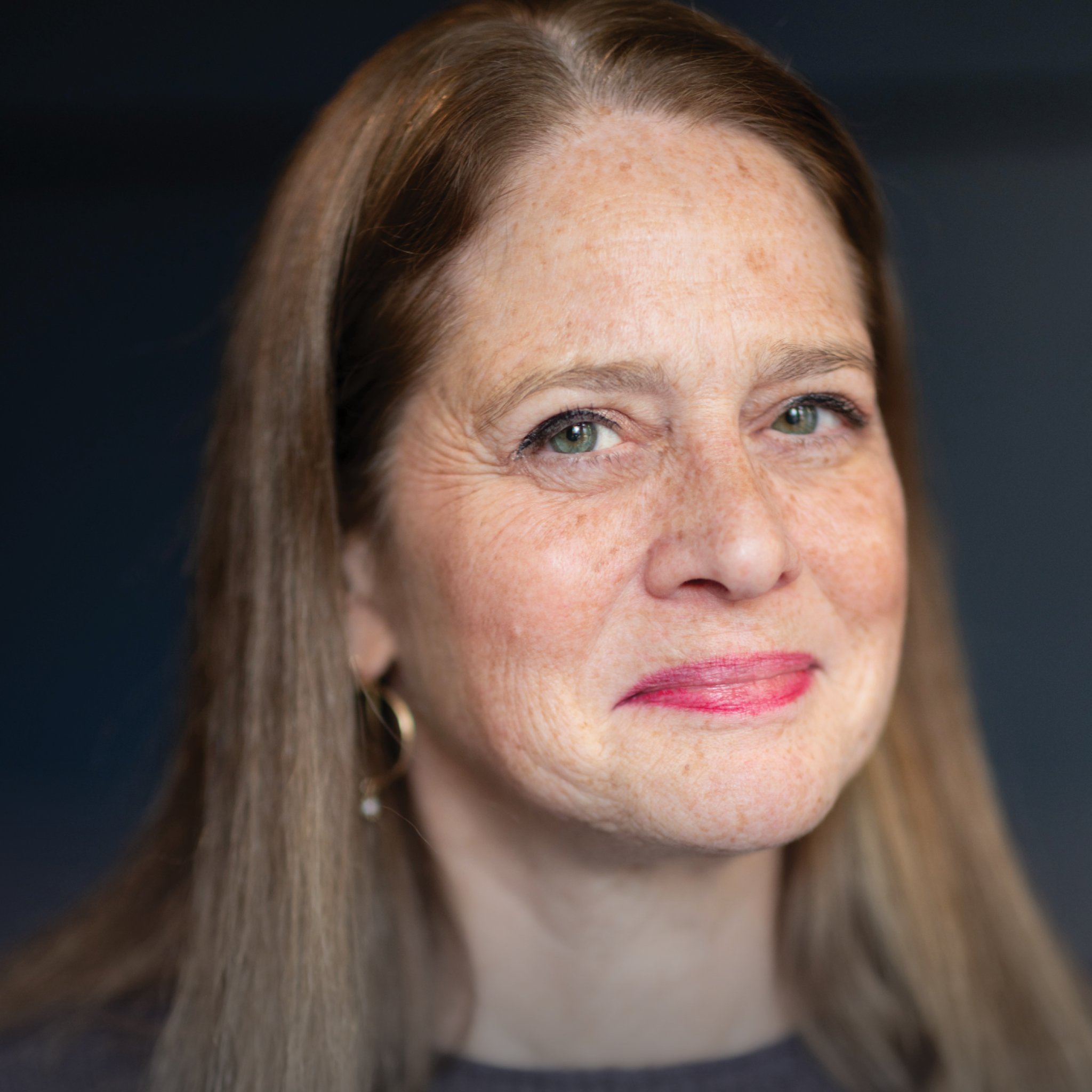

Katy Neas, CEO of The Arc of the United States has spoken in response to Secretary of Health and Human Services Robert F. Kennedy’s April 16 testimony to Congress, which claimed paying family members to care for children or aging parents through Medicare HCBS Waivers created a system that is “rife with fraud”.
“We can all agree that protecting the integrity of the programs that provide these supports is important. But making broad and unsupported claims that HCBS, particularly services delivered by family caregivers, are ‘rife with fraud’ puts adults and children with disabilities, and their families, at risk of losing the help they need to live in the community,” she said. “For many families, a family member is not just often a preferred caregiver. They are the only reliable option.”
Read her entire statement at:
https://thearc.org/blog/the-arc-responds-to-kennedys-medicaid-and-hcbs-comments/
“
Equal Justice for All?
Over 40% of incarcerated people in state prisons report having at least one disability, which is more than double the rate of the general US population. Some estimates suggest that when including psychiatric conditions, roughly 66% of people in state and federal prisons are disabled.
Source: Prison Policy Initiative
Learn more: https://www.prisonpolicy.org/

Just like anyone else, individuals with intellectual disabilities and neurodiverse conditions come in contact with the criminal justice system as victims, witnesses, and pertpetrators. But did you know…
Persons with disabilities are more likely to be victimized than others.
They are more likely to be arrested and charged with a crime than the general public
They typically serve longer sentences if convicted than a nondisabled person serves!
Source: Arc of the United States Criminal Justice Initiative
Learn More: https://thearc.org/our-initiatives/criminal-justice/
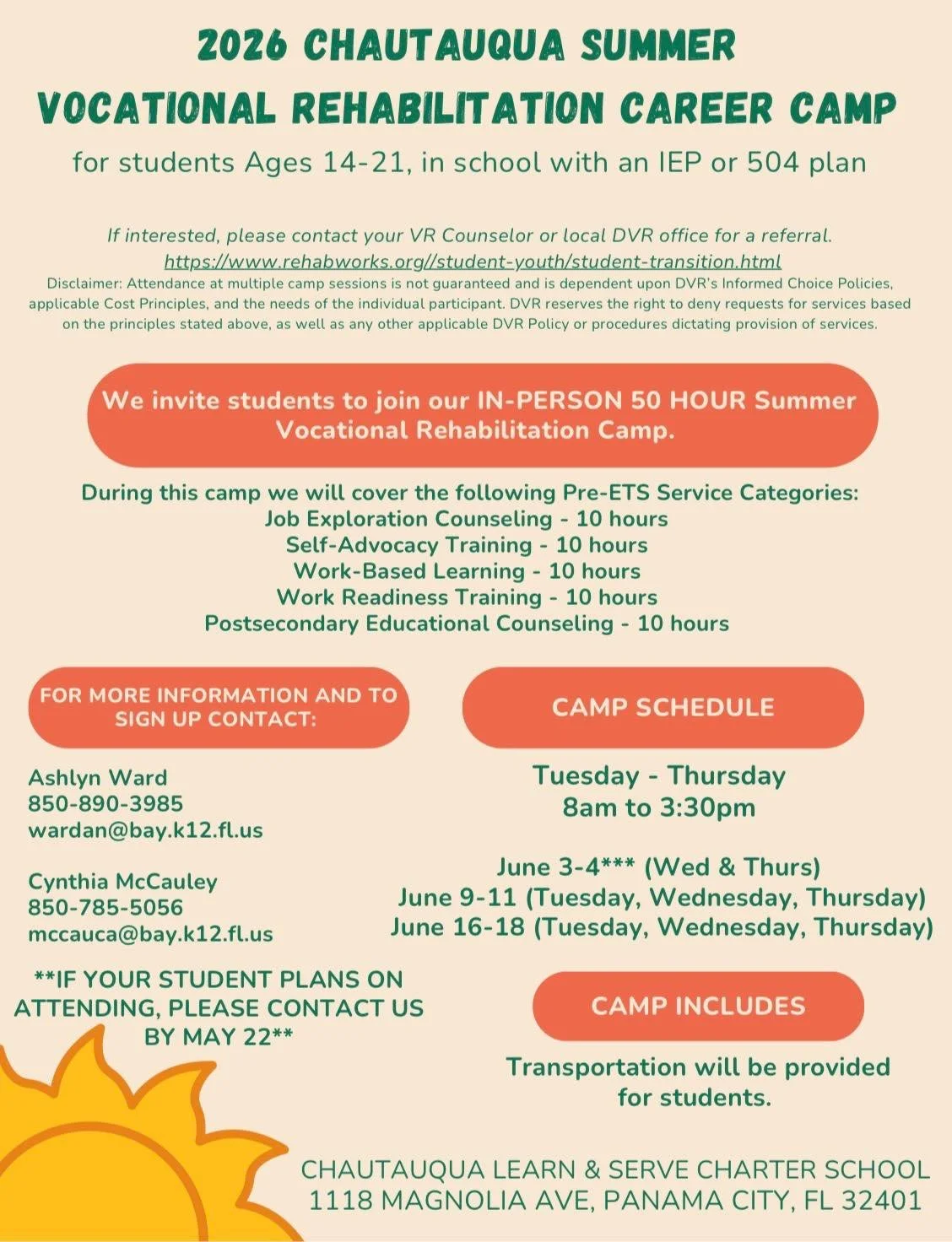
Chautauqua Career Camp!
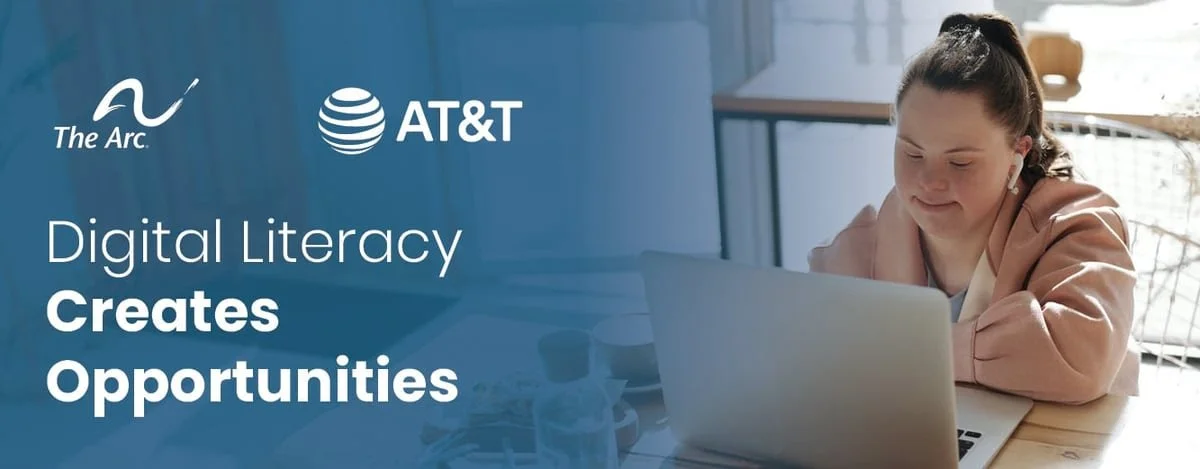
The Arc, Arc of San Francisco, and ATT join together to create and provide free computer literacy classes for individuals with disabilities!
The Arc reports that people with disabilitiesare three times less likely to use the internet than non disable peers. To close that gap, free digital training designed especially for individuals with learning difficulties is now available at the click of a computer button.
Check it out at: https://att.digitallearn.org/
National Public Radio (NPR) recently released a podcast describing the two edged sword of being identified as an emotionally or behaviorally disordered student. While the category provides access to important supports, too often there is no “exit plan” for students, who then spend their entire academic career in a restricted environment that is often too chaotic for quality education.
Listen to the podcast and read about “Walter”, a student who wore the EBD label throughout his formal education.
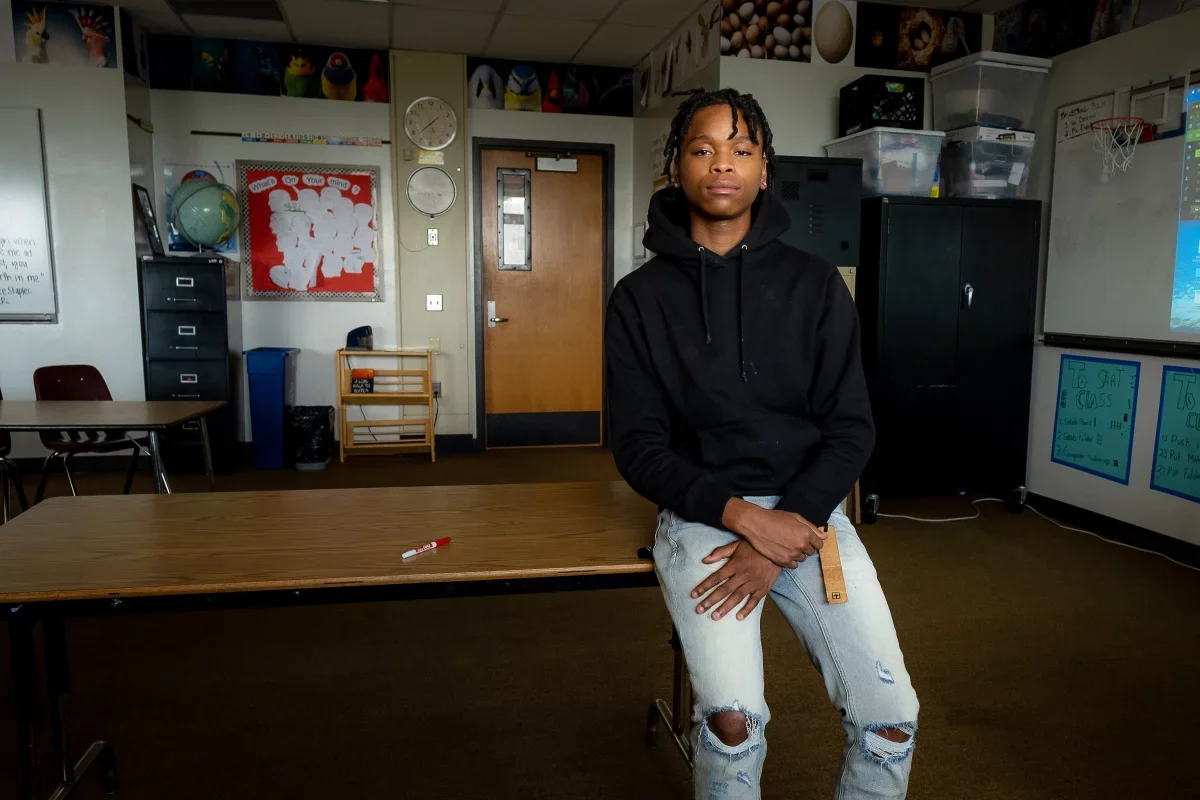
“Walter” sits on a desk at Central High School in
St Paul, Minnesota.
What has been your experience with this educational category? Share it with us for online discussion.
Write to us at Chautauqualsarc@gmail.org
Styrofoam FoodTrays,
commonly used in restaurants and school cafeterias, have come under increased scrutiny by both environmentalists and health professionals. What was initially considered a lightweight, convenient substitute for cardboard and hard plastics has become a medical concern and an environmental nightmare. Research is ongoing, however, there seems to be little doubt that polystyrene ( the non trademark name for Styrofoam) should not be used to serve hot foods and beverages or used in a microwave.
When heated, styrfoam releases Styrene, a chemical linked to headaches, fatigue, dizziness, and impaired brain development. A second chemical, Benzene, a known carcinogen and neurotoxin is also released. These chemicals are absorbed by the food on the tray and transfered to the consumer!
Polystyrene also presents a severe environmental impact due to its non-biodegradable nature taking hundreds of years to decompose.It is lightweight, easily breaks into tiny pieces, and constitutes a major, persistent source of pollution that harms wildlife. It is difficult to recycle, often discarded, and now occupies over 25% of our landfills!

McDonalds no longer uses foam containers!
Does your child’s school?


Chautauqua Learn and Serve Arc is proud to have been included as a registered Civil Service Society by the United Nations since 2013!
Chautauqua members have participate in consequential meetings of the General Assembly at the UN Headquarters in New York City, including a High Level Meeting in September of 2013 on the universal Rights of Persons with Disabiities. UN Secretary General Ban Ki-Moon, Secretary of State John Kerry and worldwide heads of state discussed the advances and challenges of their respective countries in promoting full inclusion for individuals with disabilities. The Secretary General highlighted the role of the Millenium Development Goals, established in 2000, in reducing poverty and hunger globally. He admitted, however, that the MDG did not recognize the extraordinary hurdles encounterd by individuals with disabilities and unfortunately made no specific efforts to elevate that population. The Sustainable Development Goals, adopted by the UN in 2012, is a historic promise to secure the rights and well-being of everyone on a healthy, thriving planet. Chautauqua members were thrilled to hear his pledge to the 8 billion people on the planet with disabilities to include them not just as beneficiaries of the goals, but to become active participants in designing and implimenting its activities!
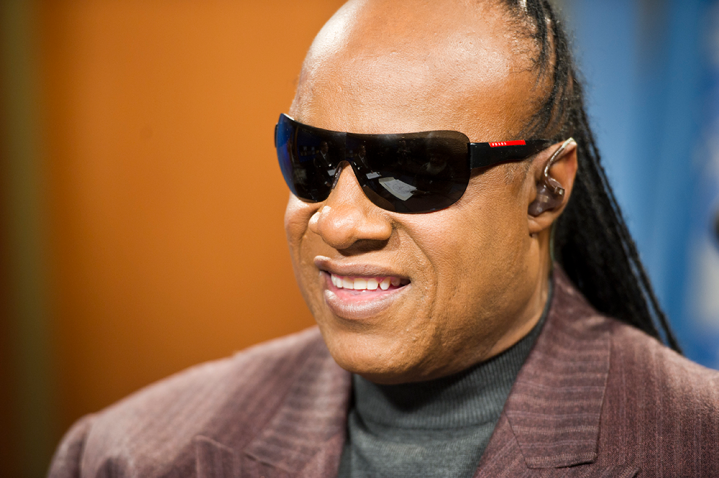
Oh, and we also met Stevie Wonder!!!
Learn more about the Sustainable Development Goals here:

On August 27, 2024 the Social Security Administration announced a “large step” in a multi-year effort to simplify processes for people applying for Supplemental Security Income (SSI) by starting to offer an online, streamlined application for some applicants beginning in December, 2024.
The initial step – known as iClaim expansion – hoped to establish a “fully online, simplified iClaim application that leverages user-tested, plain-language questions, prepopulated answers where possible, seamless step-by-step transitions, and more. The online application aimed to reduce the time spent applying as well as the processing time for initial claim decisions.”“Over the past year, we have asked many applicants and advocates – as well as our workforce – how we could make the SSI application process easier and simpler. Now, we are taking an important first step to do just that,” said Martin O’Malley, Commissioner of Social Security, when this program was inaugurated.
So how is it working for YOU?
Let us know by email.
chautauqualsarc@gmail.com
Update Requested!
Looking for ideas to support a family member on the Autism Spectrum?
Play this Card!
The FSU Center for Autism & Related Disabilities (CARD) is dedicated to providing individuals with Autism or related disabilities, their families, and professionals who work with them free consultation, resources, and educational support to build knowledge, infrastructure, sustainability, and capacity within the community.
The FSU CARD serves 18 counties in the panhandle of Florida with offices in Tallahassee, Panama City, and Pensacola. CARD has extensive experience serving individuals with ASD and provides services for communication, social, and behavior problems, as well as provides information, consultation, and technical assistance to families and professionals associated with CARD clients.
The Center also offers partnerships to professionals and pre-professionals who serve, or are preparing to serve, the client population. CARD-FSU currently serves over 6,400 individuals ranging from infancy to adulthood, and has excellent working relationships with the early intervention system, school system, and healthcare providers in the 18-county catchment area and the network of 7 CARD sites across the state of Florida.
To learn more visit:
fsucard.com

For many people with disabilities the biggest barrier to full community participation is transportation. Depending on the availablity of family and friends to act as chauffeurs can be inconvenient and often frustrating for those who cannot drive. The fixed route Bayway system is an alternative in some cases, but the “last mile” - the distance from the bus stop to the destination, often makes that option impractical or even dangerous. One alternative is the recently expanded Bayway on Demand + system. The system provides two options, both of which will cost the rider only $1.50. The traditional wheelchair accessible van is option number one. The van will transport from door to door, but not always by the most direct route. Often other users will be in the van and stops will be made for each rider. The second option is a collaboration with Uber. In this case, the rider will request an Uber pick up through the Bayway Flex app, and the ride will be a direct trip from pick up to the rider”s destination, with no other stops. This option cannot accomodate wheelchairs. Both options require preregistration, which includes a statement from a medical provider or licensed Social Worker verifying the need.
For more information contact::
Bayway
920 Wilson Ave
Panama City, Florida 32401
(850) 769-0557
Find the application on line.
https://www.baywaytransit.org/wp-content/uploads/2022/12/TD_Eligibility_Application.pdf